South Africa is preparing for a major shift in how traffic violations are detected and penalized. From January 2026, the country will begin phasing out the traditional traffic fines system and replacing it with AI-driven cameras capable of automatically issuing R1,500 penalties. This change aims to reduce human intervention, improve road safety, and ensure consistent enforcement across provinces. With advanced technology monitoring roads around the clock, motorists will need to adapt quickly, as excuses and on-the-spot negotiations will no longer apply under this new digital system.

AI-Driven Traffic Fines System Replaces Manual Enforcement
The new AI-based traffic fines system in South Africa is designed to remove loopholes that existed under manual enforcement. Using automatic number recognition, these cameras can identify vehicles in real time and match them with national databases. This allows for instant violation detection without requiring officers on the roadside. Authorities say the goal is fair penalty enforcement across all regions, limiting bias or selective checks. With round-the-clock monitoring, offenses like speeding or jumping signals are captured consistently, creating a system where rules apply equally to everyone, regardless of location or time.
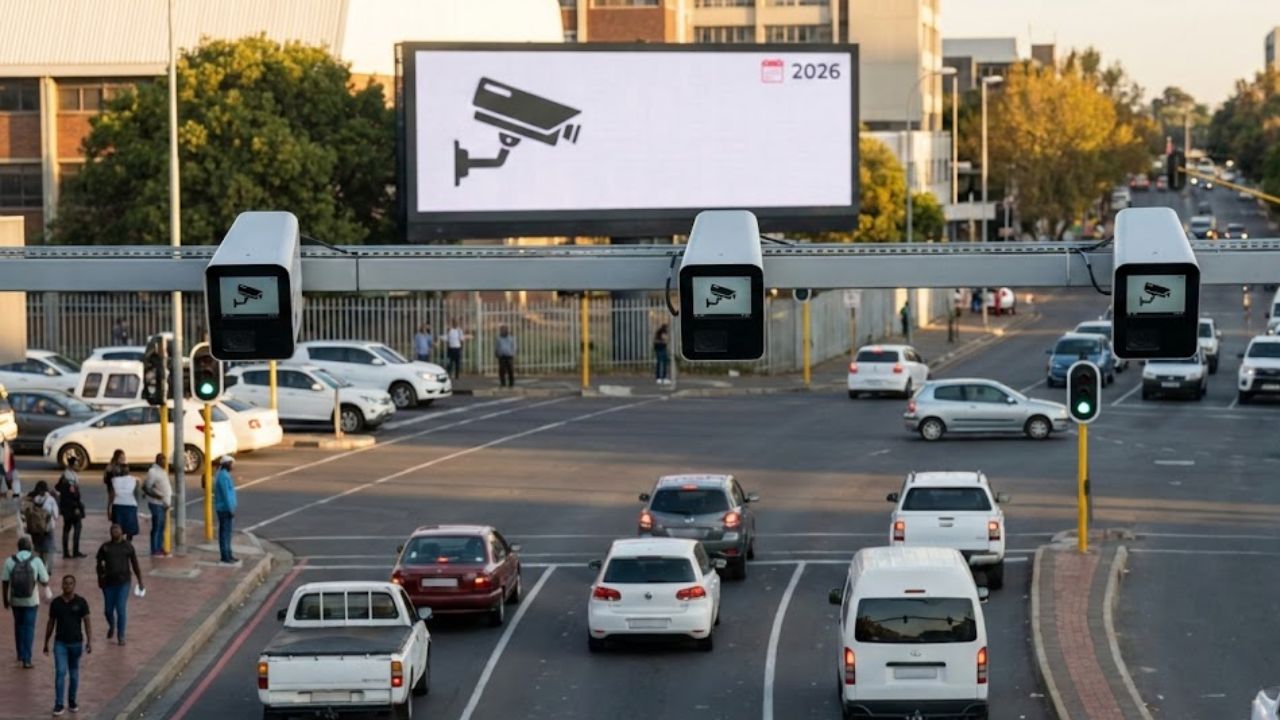
R1,500 Penalties Under the New AI Traffic Camera Rules
Under the updated framework, drivers caught violating traffic laws will face a fixed R1,500 fine issued digitally. The system emphasizes standard fine structure, meaning penalties remain the same nationwide. Once detected, offenders receive digital fine notifications via SMS or official portals, reducing paperwork delays. The authorities believe this approach will encourage faster fine compliance while minimizing disputes. By relying on data-backed enforcement, the government hopes drivers will become more cautious, knowing that every infraction is recorded and processed automatically.
 Goodbye to Overlapping Grants: SASSA Enforces One Household One Grant Rule Starting 25 January 2026
How AI Cameras Will Impact South African Motorists
The rollout of AI cameras is expected to change daily driving habits across South Africa. With constant road surveillance, motorists may think twice before taking risks. The system supports behavioral driving change by creating awareness that violations are unavoidable. Officials also highlight reduced roadside stops, which can ease traffic congestion and improve safety. Over time, this technology could support safer urban roads, as consistent penalties often lead to better compliance and fewer repeat offenses.
What This Shift Means for the Future of Road Safety
This move toward AI enforcement signals a long-term strategy focused on accountability and safety. By combining technology with regulation, authorities aim for predictable traffic control that drivers can understand and trust. The use of automation may lead to lower accident rates as reckless behavior becomes costly. While some drivers worry about privacy, officials stress regulated data handling and transparency. Overall, the transition reflects a push toward modern transport governance that aligns South Africa with global road safety trends.
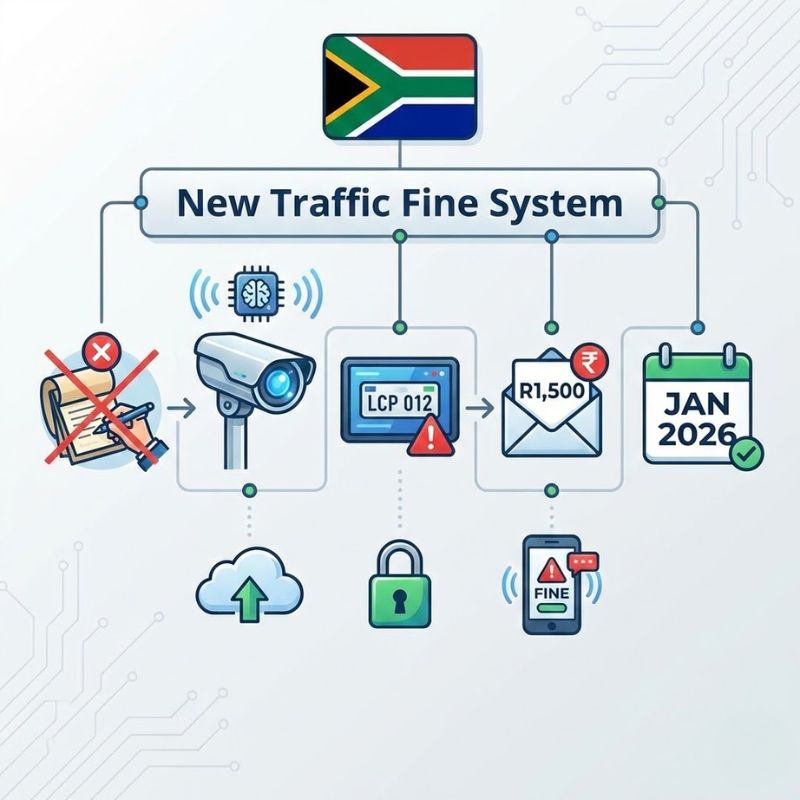
| Feature | Old System | AI Camera System |
|---|---|---|
| Violation Detection | Manual checks | Automated cameras |
| Fine Amount | Varied | R1,500 fixed |
| Notification Method | Paper notice | Digital alert |
| Enforcement Time | Limited hours | 24/7 monitoring |
Frequently Asked Questions (FAQs)
1. When will the AI traffic fines system start?
The system is scheduled to begin issuing fines from January 2026.

2. How much is the fine issued by AI cameras?
Each detected violation will result in a fixed R1,500 penalty.
3. How will drivers receive their fines?
Fines will be sent digitally through SMS or official online platforms.
4. Does the system operate across all provinces?
Yes, the AI-driven enforcement will apply nationwide in South Africa.